



Ten graded passes.
Two models.
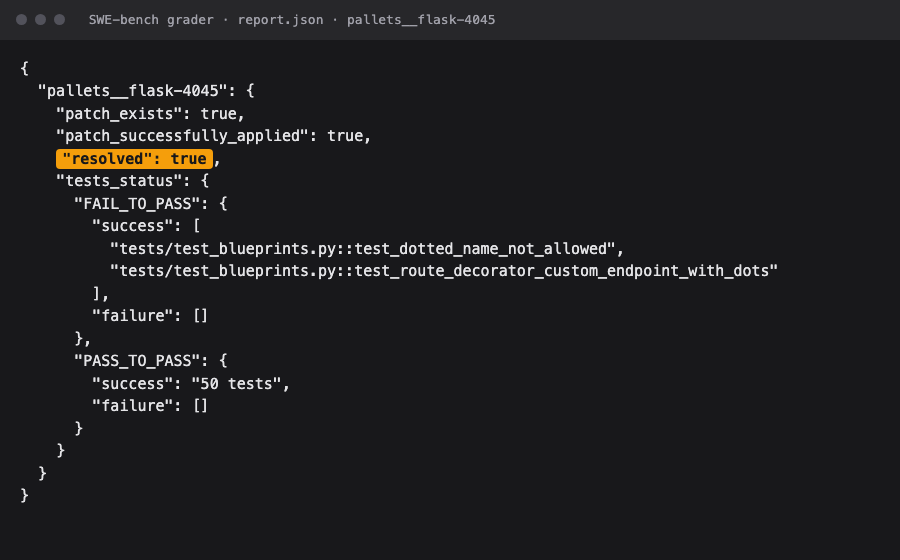
Each fix was run against the hidden tests by the official SWE-bench grader. Kepler did not grade its own work.
MiniMax M3 alone, and with Kepler
Kepler does not replace your model. It runs the whole job on top of it: understand, plan, build, check, hand over.
| Metric | MiniMax M3 in a coding tool | AiChargeLabs Kepler on MiniMax M3our measured pilot |
|---|---|---|
| SWE-bench fixes passing the grader | 80.5% published by MiniMax2 | 4 of 4 graded1 |
| Developer steps per fix | A developer drives each step | 0 |
| Time from bug report to fix | Depends on the developer | 11 min average, 5 to 24 min |
| Safety check before work starts | Not part of the model | Every task |
| Saved record of time, usage and result | Chat history | Every task |
| Model usage per fix | Not published | Rs 13 to 273 |
Ten real fixes. Ten graded passes.
Each bar is the full time AiChargeLabs Kepler took, from reading the bug report to a finished fix, on the model named.
The same public test model makers use
Real bug reports
Tasks come from SWE-bench, the public benchmark built from real issues in open source projects.
Nobody in the loop
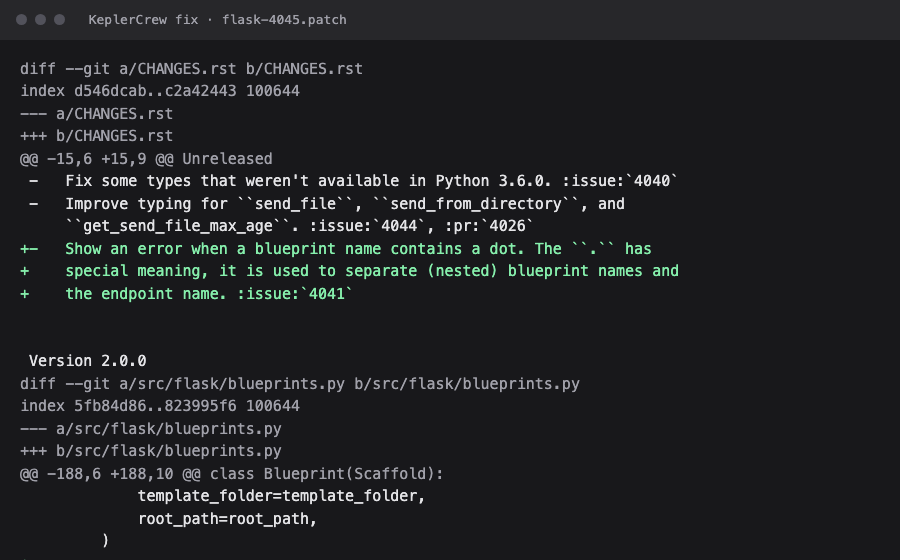
Kepler ran on autopilot with MiniMax M3. It got the bug report and the code, nothing else.
Graded by the official grader
Every fix was run against the hidden tests by the official SWE-bench grader, not by us.
Bring one real ticket.
We run it live in a 20 minute demo and you check the fix yourself.
1. AiChargeLabs Kepler pilot, November 2026: we picked a set of real SWE-bench tasks and ran them end to end. On MiniMax M3, 4 fixes were graded and 4 passed. On Claude Sonnet, 9 were graded and 6 passed. This page lists the fixes that passed. This is not the full benchmark.
2. MiniMax's own reported SWE-bench Verified result for MiniMax M3 across the full 500 task set. An independent run by Vals AI reports 75.0%. The two columns are not the same task set.
3. MiniMax M3 runs only. New input and output tokens at MiniMax M3 list price ($0.30 and $1.20 per 1M), Rs 93.4 per $. Cached reads are not included.
4. Companies shown at the top publish SWE-bench results for their own models. They have not tested or endorsed Kepler.
SWE-bench, pytest, Flask, Django and the company names and logos belong to their owners. AiChargeLabs Kepler is a product of AiChargeLabs.